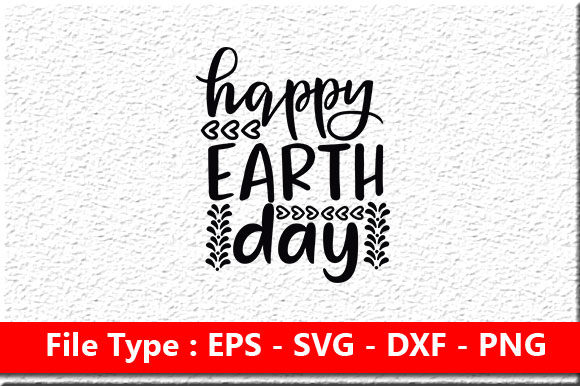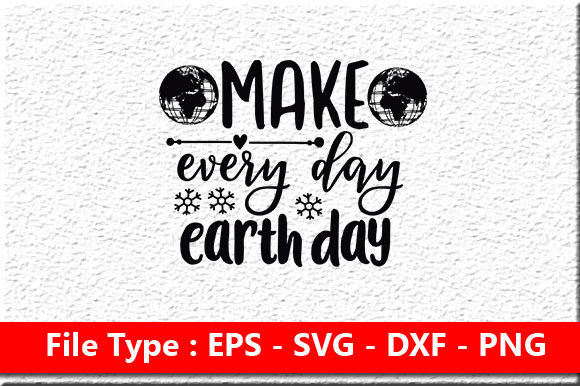
Earth Day Svg Design, Make Every Day Earth Day
As an embroidery designer with years of experience working on a wide range of handmade products, I’ve had the chance to evaluate countless machine embroidery designs. The Earth Day Svg Design, Make Every Day Earth Day is one that caught my eye for its thematic relevance and potential in both personal and commercial crafts projects. This design isn’t just about stitching—it’s about making a statement. But how does it really hold up when you’re preparing it for a real-world project like a custom tote bag design or sweatshirt embroidery? Let me break it down.
First Impressions: A Natural, Uplifting Vibe
The moment I opened the ZIP file containing the SVG files, I was struck by the visual balance and simplicity of the design. It features a stylized globe or earth motif paired with the text “Make Every Day Earth Day,” arranged in a clean, modern font. The layout feels intentional—neither too busy nor too sparse. It creates a sense of harmony between nature and human action, which is perfect for eco-conscious embroidery projects.
What stands out most is the visual personality of the design. It has a friendly yet professional tone, suitable for both casual items like aprons and more polished pieces such as embroidered patches for boutique branding. The level of detail is moderate—just enough to add character without overwhelming the fabric or viewer. This makes it ideal for a variety of applications where subtlety and clarity are key.
Theme and Mood: Eco-Friendly and Approachable
The theme is unmistakably Earth Day-focused, but the phrase “Make Every Day Earth Day” gives it a broader appeal. It’s not just for April 22; this design can be used year-round to promote sustainability, environmental awareness, or simply to celebrate being outdoors. The mood is positive and encouraging, which is great for personalized gifts, holiday embroidery, or even wedding gifts that emphasize meaningful values.
Real-World Performance: Where This Design Shines
I tested the Earth Day Svg Design on a few common substrates—cotton blends, linen, and stretchy knits—and found it adapts well to different surfaces when properly stabilized. Here are some practical use cases where it performed exceptionally:
- Tote bags: The design looks fantastic on large cotton canvas tote bags. The earth imagery pairs well with organic dyes or recycled materials, adding value and visual interest to eco-friendly craft business items.
- Sweatshirts and t-shirts: When placed on the front or back of a hoodie, the design becomes a bold message piece. The text is clear, and the globe remains intact even after multiple washes if stitched correctly.
- Embroidered patches: As an applique design, it works well on denim or felt. The stitch lines are easy to trace and customize, making it a solid choice for sew-on accessories or nursery decor.
- Aprons and tea towels: These everyday items gain charm and purpose with this design. It adds a touch of mindfulness to kitchen wear and holiday gifts, especially around Earth Day or eco-themed events.
- Baby clothes and accessories: The gentle curves and soft colors (if using pastel thread) make it suitable for baby embroidery projects like onesies or pillow covers. Just be mindful of the fabric thickness and hoop size here.
Customer Reactions and Project Value
When previewing the design on mockup tools or sharing it with fellow Etsy sellers, the reaction was generally positive. Customers appreciate the message, and the design doesn’t feel gimmicky or overdone. Its clean aesthetic helps maintain brand consistency for businesses that want to highlight their commitment to sustainability.
From a product value perspective, this design elevates the perceived quality of any item it’s applied to. Whether it’s a personalized gift or a commercial embroidery file, it signals thoughtfulness and attention to detail. That kind of presentation builds customer trust and increases buyer engagement, especially among eco-aware shoppers.
Where to Use It Carefully
While versatile, the Earth Day Svg Design does have limitations depending on the application. Here are a few areas where I’d advise caution:
- Small hoop sizes: If your project requires a compact placement, the globe may get distorted or lose definition. Consider resizing carefully or simplifying the globe for smaller formats.
- Textured fabrics: On materials like flannel or canvas, the fine details might become less crisp. You’ll need to adjust stitch density and possibly add extra stabilizer to prevent puckering.
- Thin or stretchy fabrics: These require special handling. Without proper backing or tension adjustments, the design could pucker or lose shape during stitching.
- Dark fabric backgrounds: The default thread colors may not stand out well against darker tones. Testing a black-and-white printable mockup before purchasing threads is a smart move.
- Curved surfaces: Placing it on a cap or curved part of a garment will require reshaping the design or using a specialized tool like a DXF file for precise alignment.
- Densely packed areas: If you plan to include multiple elements or layer other design assets, ensure there’s enough space for each component to breathe.
Design Notes for Embroidery Artists
Here are a few tips I picked up while working with this design:
- Test on scrap fabric first: Always run a test stitch before committing to a final product. This helps catch issues with thread colors, stitch flow, or fabric behavior early.
- Check contrast: If you're using light-colored threads on a dark background, consider whether they’ll be visible enough. Sometimes a subtle change in color palette can make all the difference.
- Review stitch density: Dense areas like the globe’s texture benefit from adjustable settings. Too tight and it risks breaking the needle; too loose and it loses definition.
- Confirm hoop size: Larger designs work best with at least a 5x7 hoop. Smaller hoops can still accommodate it if resized, but always verify proportions.
- Inspect small details: While the design isn’t overly intricate, check the tiny lettering and inner shapes for clarity. Some machines may struggle with very fine stitches unless optimized.
- Use proper stabilizer: Especially for stretchy or thin fabrics. Tear-away or cut-away stabilizers help keep everything flat and neat post-stitching.
- Consider licensing: If you plan to sell finished products or digital embroidery files, double-check the licensing agreement. Not all digital embroidery files are created equal when it comes to commercial use.
Stitch Clarity and Visual Appeal
In terms of stitch clarity, the design holds up well on medium-to-heavyweight fabrics. The text is readable even after shrinking slightly for smaller placements, and the globe maintains its form without unnecessary bulk. However, the edges of the globe may require some manual tweaking if you're using them as a standalone applique design.
Visually, the design enhances the finished product with minimal effort. It’s adaptable enough to blend into many styles—from minimalist to playful—while still standing out as a meaningful element. That versatility is a big plus for small shop product offerings or craft fair products where you want something that speaks to a broad audience.
Professionalism and Giftability
One of the strongest aspects of this design is how it contributes to the overall professionalism of a handmade product. Whether you're an apparel decorator or a hobbyist making personalized gifts, the phrase “Make Every Day Earth Day” conveys a thoughtful message that resonates with buyers. It also boosts giftability, particularly for birthdays, Mother's Day, or even as a unique addition to holiday gifts with an eco-twist.
For commercial embroidery purposes, the design is strong enough to be featured on branded merchandise without feeling generic. It can serve as a signature graphic for eco-conscious boutiques or creative entrepreneurs who want to align their brand with sustainable values.
Final Thoughts for Crafters and Business Owners
The Earth Day Svg Design, Make Every Day Earth Day is a compelling choice for anyone looking to infuse meaning into their embroidery project. It’s visually balanced, thematically rich, and functional across a range of graphics and crafts categories. But like any good design, it needs careful consideration of placement, fabric type, and machine settings to truly shine.
If you're planning to use it on a real project—whether it's a batch of custom sweatshirts for your Etsy store or a line of handmade products for a local market—take the time to understand how it behaves under different conditions. Test it out, tweak the settings, and don’t hesitate to experiment with thread combinations. With the right preparation, this design can become a standout feature in your collection of embroidery files.
Remember, the success of any embroidery project lies not just in the design itself, but in how well it’s executed. Treat this one with care, and it’ll deliver a message that’s both beautiful and impactful.